How Microbes Shape Metabolic Health-Focus Keyword: gut microbiome metabolic health
Introduction
Ever wonder why two people eating the same diet can have very different health outcomes? The answer may lie in your gut. New research reveals that trillions of microbes living in your digestive tract play a powerful role in metabolism, weight, blood sugar, and inflammation. This isn’t just theory—it’s science. Let’s explore what the latest review tells us about the gut microbiome metabolic health connection.
Main Findings
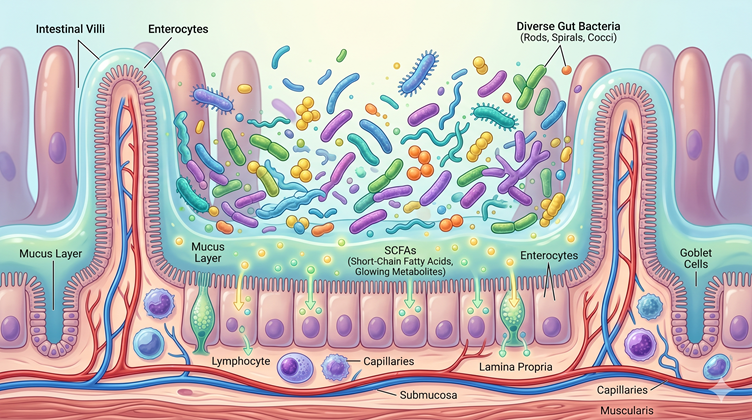
A comprehensive 2026 review in Gut Microbes synthesized evidence linking gut bacteria to metabolic function. First, beneficial microbes produce short-chain fatty acids (SCFAs) when they ferment fiber. These SCFAs help regulate blood sugar, reduce inflammation, and strengthen the gut barrier. Additionally, gut bacteria transform bile acids, which signal the liver and pancreas to manage cholesterol and insulin.
Furthermore, research shows that people with obesity, type 2 diabetes, or fatty liver disease often have less diverse gut microbiomes and fewer protective species like Akkermansia and Faecalibacterium. Importantly, animal and human studies suggest these microbial changes aren’t just a side effect—they may actively contribute to metabolic dysfunction. On the hopeful side, interventions like high-fiber diets, targeted probiotics, and even fecal microbiota transplantation (FMT) have shown potential to restore balance and improve metabolic markers.
How It May Benefit Health
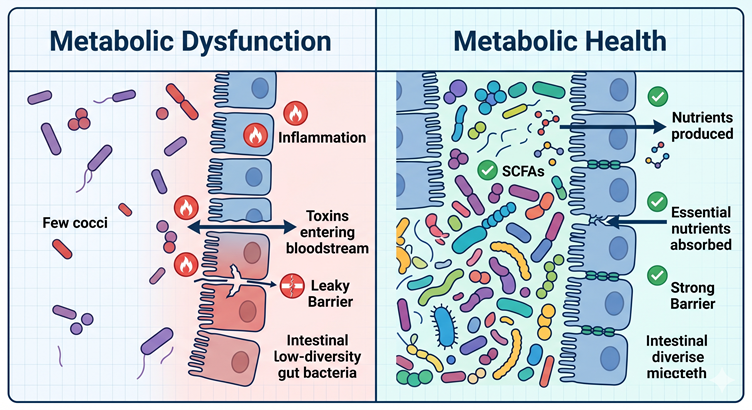
So how do gut microbes actually influence your metabolism? Think of them as tiny biochemical factories. When you eat fiber-rich foods, certain bacteria ferment them into SCFAs like butyrate. These compounds fuel colon cells, calm immune cells, and even signal the brain to regulate appetite.
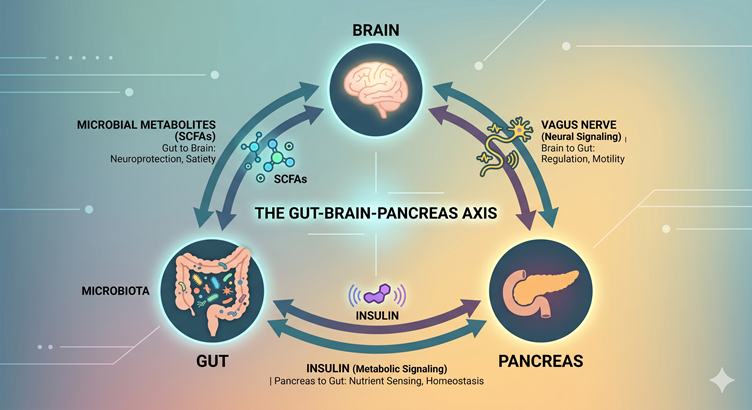
Meanwhile, a healthy gut barrier keeps harmful molecules like LPS (endotoxin) from leaking into the bloodstream. When the barrier weakens—a state called “leaky gut”—LPS can trigger low-grade inflammation that drives insulin resistance. The review also highlights the microbiota–gut–brain–pancreas axis: microbial signals travel via nerves and blood to influence insulin release and glucose control.
Study Limitations
This review synthesizes strong mechanistic and preclinical data, but human evidence is still evolving. Many findings come from animal models or short-term trials. Also, individual responses to probiotics or dietary changes vary widely based on baseline microbiome, genetics, and lifestyle. While FMT shows promise, it remains experimental for metabolic conditions outside of C. difficile infection. For the full study, see: DOI: 10.1080/19490976.2026.2644677.

What This Means for You
You can’t change your genes overnight, but you can nurture your gut microbes today. Start by adding more diverse fibers: oats, beans, berries, garlic, and onions feed beneficial bacteria. Consider fermented foods like yogurt, kefir, or kimchi for live microbes. Avoid ultra-processed foods and unnecessary antibiotics, which can disrupt microbial balance. If you have metabolic concerns, discuss personalized strategies with your doctor—emerging tools like microbiome testing may one day guide precision nutrition. For more on metabolic wellness, visit our preventive medicine guide.

Evidence Strength: Moderate
(Strong mechanistic and animal data; growing but heterogeneous human trials; interventions like fiber/prebiotics have consistent support, while probiotics/FMT require more personalized research)
Link: Full article: Gut microbiome and metabolic health: mechanisms and precision interventions