Focus Keyword: millets sustainable healthy food
Introduction
What if a single grain could fight climate change, boost your health, and support farmers—all while tasting great? Meet millets: ancient grains that fed civilizations for over 7,000 years and are now making a powerful comeback. After decades of being overshadowed by rice and wheat, these “nutri-cereals” are gaining global recognition. The UN even declared 2023 the International Year of Millets! Let’s explore why these resilient grains might be the sustainable healthy food we’ve been searching for.
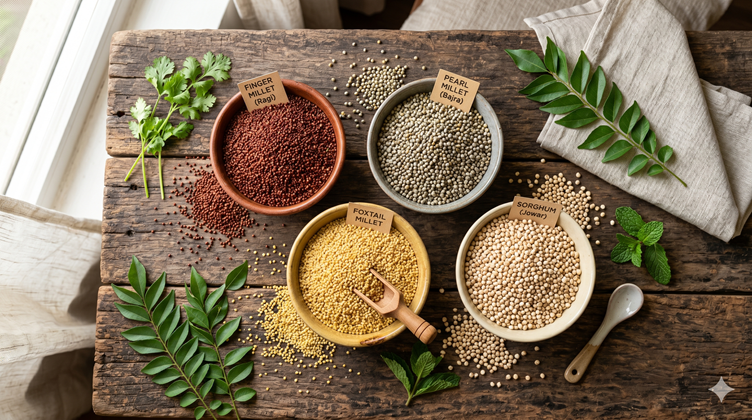
From Ancient Staple to Modern Superfood
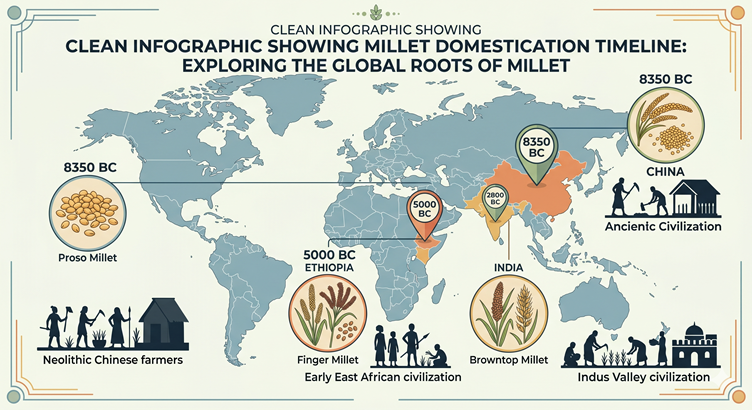
Millets aren’t new—they’re one of humanity’s oldest cultivated crops. Archaeological evidence shows proso millet was grown in northern China as early as 8350 BC, while finger millet originated in Ethiopia around 5000 BC. Ancient Indian texts like the Yajurveda mention various millets, proving they were dietary staples long before the Bronze Age. These grains sustained civilizations across Asia, Africa, and Europe for millennia.
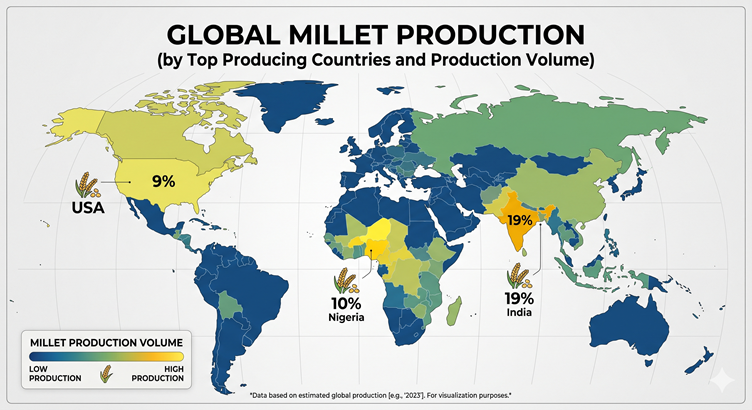
However, the Green Revolution of the 1960s shifted global agriculture toward rice and wheat, causing millet cultivation to plummet by nearly 26% worldwide. Today, that’s changing fast. Global millet production reached 90.5 million metric tons in 2023, with India leading as the top producer (19% of global output), followed by Nigeria and the United States. This resurgence reflects growing recognition of millets as climate-smart, nutrient-dense crops perfectly suited for our uncertain future.
Nutritional Powerhouses: What Makes Millets Special?
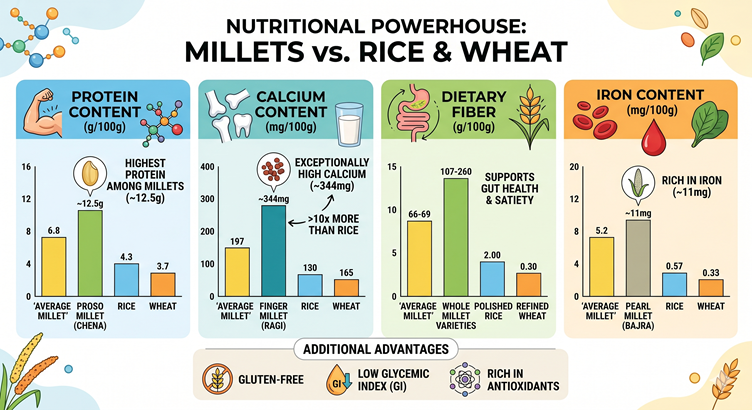
Millets pack an impressive nutritional punch. Unlike refined grains, they’re naturally gluten-free, have a low glycemic index (40-70), and contain higher protein levels than rice or maize. Proso millet tops the chart with 9.5-17% protein content, while finger millet boasts exceptional calcium levels (240-344 mg per 100g)—crucial for bone health.
These grains are rich in dietary fiber (8-20%), which supports digestive health and feeds beneficial gut bacteria. They’re loaded with B vitamins, minerals like iron, zinc, magnesium, and phosphorus, plus bioactive compounds including polyphenols, flavonoids, and carotenoids. For comparison, finger millet contains 60% of total millet polyphenols, offering potent antioxidant protection. This diverse nutrient profile makes millets ideal for addressing malnutrition, especially in developing countries where micronutrient deficiencies remain widespread.
Health Benefits Backed by Science
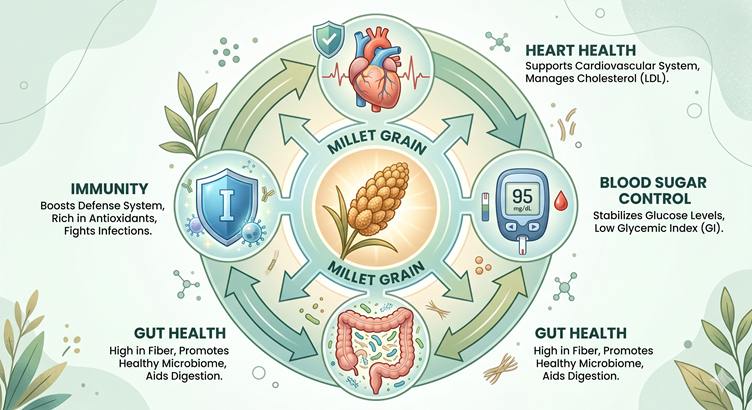
Research reveals multiple ways millets support metabolic health. First, their high fiber content and low glycemic index help regulate blood sugar, making them excellent for diabetes prevention and management. Studies show millet consumption can reduce postprandial glucose spikes by slowing carbohydrate digestion and improving insulin sensitivity.
Second, millets promote heart health. Clinical evidence indicates they lower total cholesterol, LDL (“bad”) cholesterol, and triglycerides while raising HDL (“good”) cholesterol. The fiber binds to bile acids, forcing the liver to use cholesterol for replacement, thereby reducing blood cholesterol levels. Additionally, millet bran oil has been shown to reduce liver fat accumulation and oxidative stress in animal studies.
Third, millets exhibit anti-inflammatory and immunomodulatory effects. Compounds in millets can suppress inflammatory markers like TNF-α and IL-6 while activating beneficial immune pathways. Some millet extracts even demonstrate anticancer properties against breast and liver cancer cells in laboratory studies.
Finally, millets act as prebiotics, feeding beneficial gut bacteria like Lactobacillus and Bifidobacterium. This fermentation produces short-chain fatty acids that strengthen the gut barrier, reduce inflammation, and support overall metabolic function.
Climate-Resilient and Environmentally Sustainable
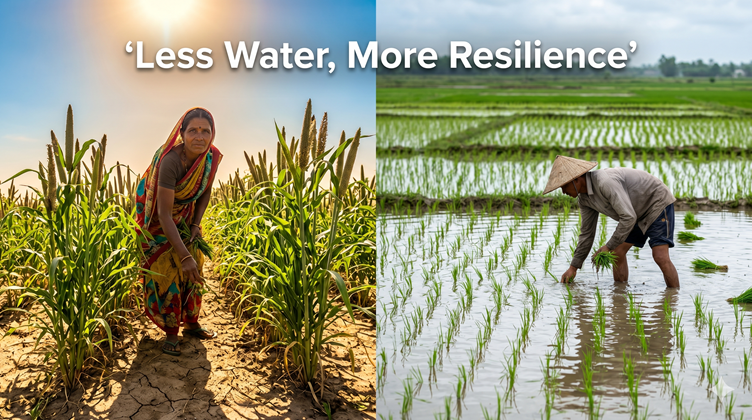
Beyond nutrition, millets offer remarkable environmental advantages. These crops thrive in harsh conditions where rice and wheat fail—requiring minimal water, tolerating drought, and growing in poor soils without heavy fertilizer or pesticide use. Pearl millet, for instance, can produce grain at temperatures up to 42°C with less than 250mm rainfall.
Millets have a significantly lower carbon footprint than major cereals, contributing to climate change mitigation (SDG-13). They mature quickly (45-100 days depending on variety), allowing multiple harvests and improving food security. After harvesting, millets can be stored for years without pest damage, reducing post-harvest losses. By supporting millet cultivation, we promote biodiversity, protect ecosystems from chemical runoff, and empower smallholder farmers in semi-arid regions—directly advancing the UN’s Zero Hunger goal (SDG-2) and poverty reduction (SDG-1).
Study Limitations
While evidence for millet benefits is promising, most human trials are short-term or small-scale. Many studies come from animal models or in vitro experiments, requiring confirmation in diverse human populations. Additionally, millets contain antinutrients like phytates and tannins that can reduce mineral absorption, though traditional processing methods (soaking, fermentation, germination) significantly reduce these compounds. More long-term, large-scale randomized controlled trials are needed to establish optimal serving sizes and confirm disease-prevention benefits. For the complete review, see: DOI: 10.3390/foods14091547.
What This Means for You
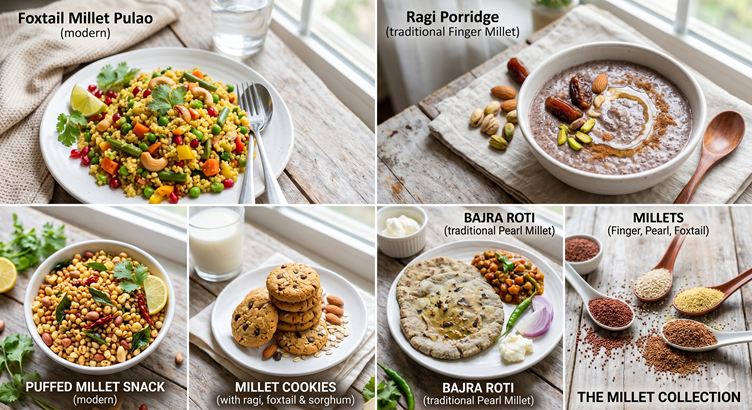
Ready to add millets to your plate? Start simple: substitute rice with foxtail or barnyard millet in your favorite dishes. Try finger millet (ragi) flour for breakfast porridge or rotis. Experiment with pearl millet (bajra) for baking or as a rice alternative. Soak, sprout, or ferment millets before cooking to enhance nutrient absorption and reduce antinutrients.
Mix millet flour with wheat flour when making breads or pancakes for a gradual transition. Explore ready-to-eat options like puffed millet snacks or millet-based breakfast cereals. Remember, variety matters—different millets offer unique nutrient profiles, so rotate among types like sorghum, kodo, little millet, and proso. For personalized nutrition advice, check our preventive medicine guide. By choosing millets, you’re not just nourishing your body—you’re supporting sustainable agriculture and climate resilience.
Evidence Strength: Moderate to Strong
(Strong evidence for nutritional composition and environmental benefits; moderate evidence from human trials for glycemic control and cardiovascular benefits; emerging evidence for gut health and immunomodulatory effects; consistent observational and mechanistic data)
Link: Millets: Journey from an Ancient Crop to Sustainable and Healthy Food – PMC